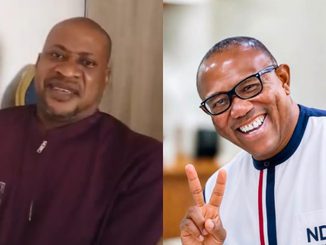
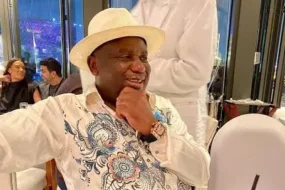
Nollywood actor Laide Olabanji has accused some Yoruba people of allowing ethnic considerations to influence their political preferences, arguing that such attitudes could undermine Nigeria’s democratic development.
Olabanji made the allegation in a video shared on Instagram, where he criticised people he believes would support a political leader from their ethnic group even if that individual performed poorly in government.
The actor specifically referenced Peter Obi of the Nigeria Democratic Congress (NDC), arguing that the former presidential candidate’s perceived rejection by some voters was connected to his ethnic background rather than his political record.
READ ALSO: Tinubu Warns Politicians Against Violence Ahead Of 2027 Elections
According to Olabanji, Obi’s alleged offence to those unwilling to support his political ambition was that he was not Yoruba.
He questioned the logic of prioritising ethnic identity over leadership competence, accountability and the country’s broader national interests.
The actor’s comments have added to ongoing conversations about ethnic loyalty, political representation and voting patterns ahead of Nigeria’s 2027 general elections.
Nigeria’s political landscape has historically been influenced by regional, religious and ethnic considerations, with political parties frequently navigating competing interests among different sections of the country.
However, critics of ethnic-based political mobilisation argue that it weakens democratic accountability by encouraging voters to support candidates based on identity rather than policies and performance.
Obi, who previously served as governor of Anambra State, has maintained a significant political following since his participation in the 2023 presidential election.
His supporters have continued to advocate political participation based on competence, transparency, economic management and public accountability.
Olabanji’s intervention reflects the continuing debate over whether Nigeria’s political future should be shaped primarily by ethnic considerations or a broader assessment of candidates’ capacity to govern.
The actor’s comments are also likely to generate reactions among political supporters, particularly those who disagree with his assessment of Yoruba voting preferences.
However, his generalisation about an ethnic group does not necessarily reflect the views of all Yoruba people, many of whom hold different political opinions and support candidates across regional and party lines.
As political activities intensify ahead of 2027, the debate over ethnic identity and national interest is expected to remain an important feature of public discussions.
The challenge for political parties and voters will be to encourage issue-based campaigns that prioritise governance, security, economic development and national unity.