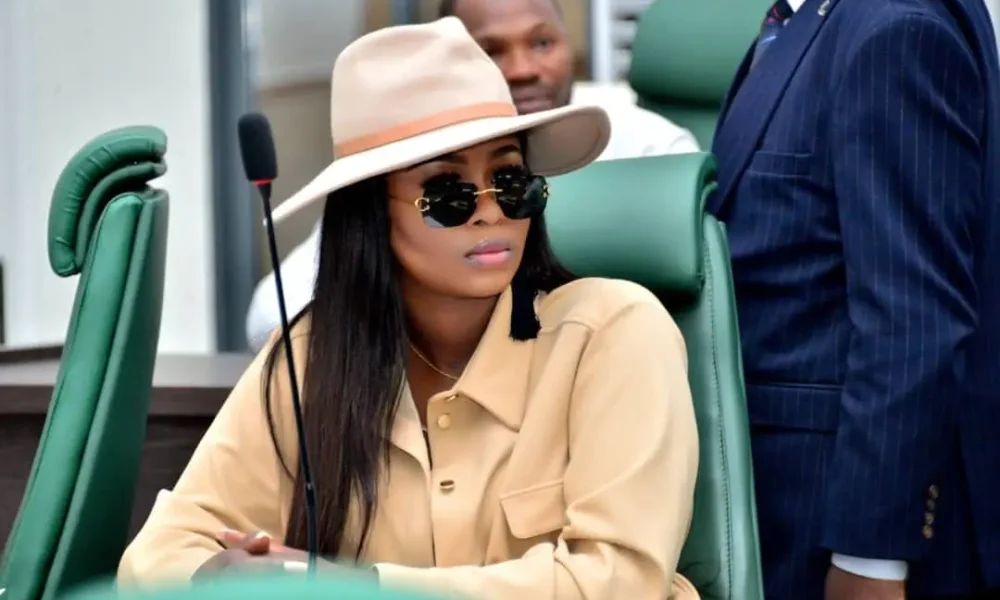
The Edo State lawmaker representing Egor Constituency in the State House of Assembly, Natasha Osawaru, has called for measures to discourage what she described as indecent dressing among women.
Osawaru argued that modest dressing forms part of the cultural identity of Benin women and urged younger generations to preserve the state’s traditional values and standards of appearance.
The lawmaker made the appeal during proceedings at the Edo State House of Assembly, where she encouraged fellow legislators to support efforts aimed at addressing dressing styles she considered inappropriate.
She maintained that the way women present themselves publicly should reflect respect for cultural heritage and the values associated with the Benin Kingdom.
Osawaru also disclosed that she had previously corrected some workers within the Assembly over their dressing, indicating that her concerns extended beyond public commentary to the workplace.
Her position has brought renewed attention to the debate over cultural preservation, personal freedom and acceptable standards of dressing in contemporary Nigerian society.
Edo State, particularly the Benin Kingdom, has a rich cultural heritage expressed through traditional clothing, ceremonies, hairstyles, beads and other forms of personal presentation.
Supporters of cultural preservation argue that younger generations should understand and appreciate these traditions as part of their identity.
However, questions surrounding what constitutes indecent dressing have frequently generated disagreements, particularly when calls for modesty are directed specifically at women.
Critics of restrictive dress expectations argue that clothing choices are personal decisions and should not become grounds for discrimination, harassment or unequal treatment.
The lawmaker’s appeal is therefore likely to generate discussions about how cultural values can be promoted without infringing on individual rights.
READ ALSO: Tinubu Warns Politicians Against Violence Ahead Of 2027 Elections
Any proposed measure to regulate dressing in public institutions would also need to establish clear standards and ensure that enforcement is fair, consistent and respectful of constitutional protections.
Osawaru’s comments come amid wider conversations about the preservation of Nigerian cultural traditions in an increasingly modern and globally connected society.
The debate also highlights the responsibility of public officeholders to balance cultural advocacy with the protection of personal freedoms.
While the lawmaker wants younger women to embrace what she considers traditional standards of modesty, the implementation of any formal policy would require further legislative clarification and public engagement.