
President Bola Ahmed Tinubu has reaffirmed Nigeria’s commitment to climate action, energy access and sustainable development, declaring that the country is moving forward “with confidence” as it aligns environmental responsibility with economic growth, job creation and social inclusion.
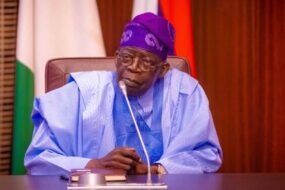
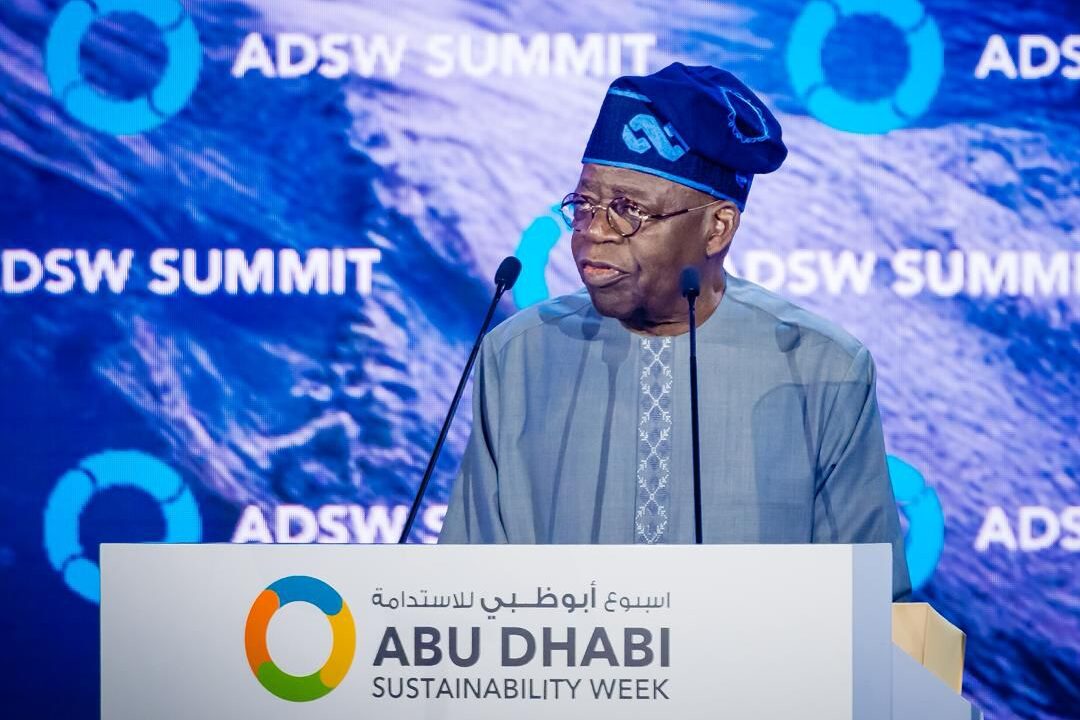
Speaking at the Sustainability Summit in Abu Dhabi, the President said Nigeria stands with the global community at a defining moment, ready to translate climate ambition into practical outcomes that improve lives. He commended the United Arab Emirates, ASEAN partners and summit organisers for driving global collaboration, describing the gathering’s theme “The Nexus of Next” as a timely call for integrated solutions across finance, technology, energy and human capital.
According to Tinubu, the interconnection between climate, the global economy, health, energy and food security must now shape governance and development strategies worldwide. He said Nigeria views the summit’s focus as an opportunity to move beyond commitments to real delivery, ensuring that sustainability supports development priorities, particularly for emerging economies.
The President emphasised that sustainability requires all systems policy, finance, infrastructure, nature and human capital to move together. He stressed that developing countries need equitable climate finance, accessible technologies and strong capacity-building frameworks to meet climate obligations without sacrificing growth.
Highlighting concrete actions, Tinubu disclosed that Nigeria has taken significant regulatory steps to strengthen climate governance. In 2025, the country adopted the National Carbon Market Activation Policy and launched a National Carbon Registry to improve emissions reporting, verification and transparency, measures aimed at boosting investor confidence and accountability.
On energy reform, the President said Nigeria is modernising its energy architecture to deliver inclusive and decentralised power. He noted that the Electricity Act of 2023 now enables sustainable electricity supply to rural communities, off-grid health facilities, schools, markets and other underserved areas, reducing reliance on diesel and improving productivity.
Tinubu also underscored the role of technology in driving efficiency, stating that artificial intelligence is no longer a future consideration but a present necessity for optimising energy systems and infrastructure. He said Nigeria is actively seeking partnerships that promote technology transfer, innovation and knowledge exchange.
In a major investment push, the President announced that Nigeria has launched climate and green industrialisation initiatives aimed at unlocking between $20 billion and $30 billion annually in climate finance. He revealed that ongoing programmes, supported by international partners including the World Bank, are expanding clean electricity access to over 17.5 million Nigerians.
The President added that Nigeria is deepening access to green finance through climate investment platforms targeting hundreds of millions of dollars for climate-resilient infrastructure, alongside multi-billion-dollar national climate initiatives. He cited strong investor appetite for Nigeria’s green bonds as evidence of growing confidence in the country’s sustainability agenda.
Tinubu concluded by reaffirming Nigeria’s Energy Transition Plan, which integrates climate mitigation, industrial growth and social development, with the goal of achieving net-zero emissions while delivering universal energy access and advancing clean mobility and efficiency programmes nationwide.