

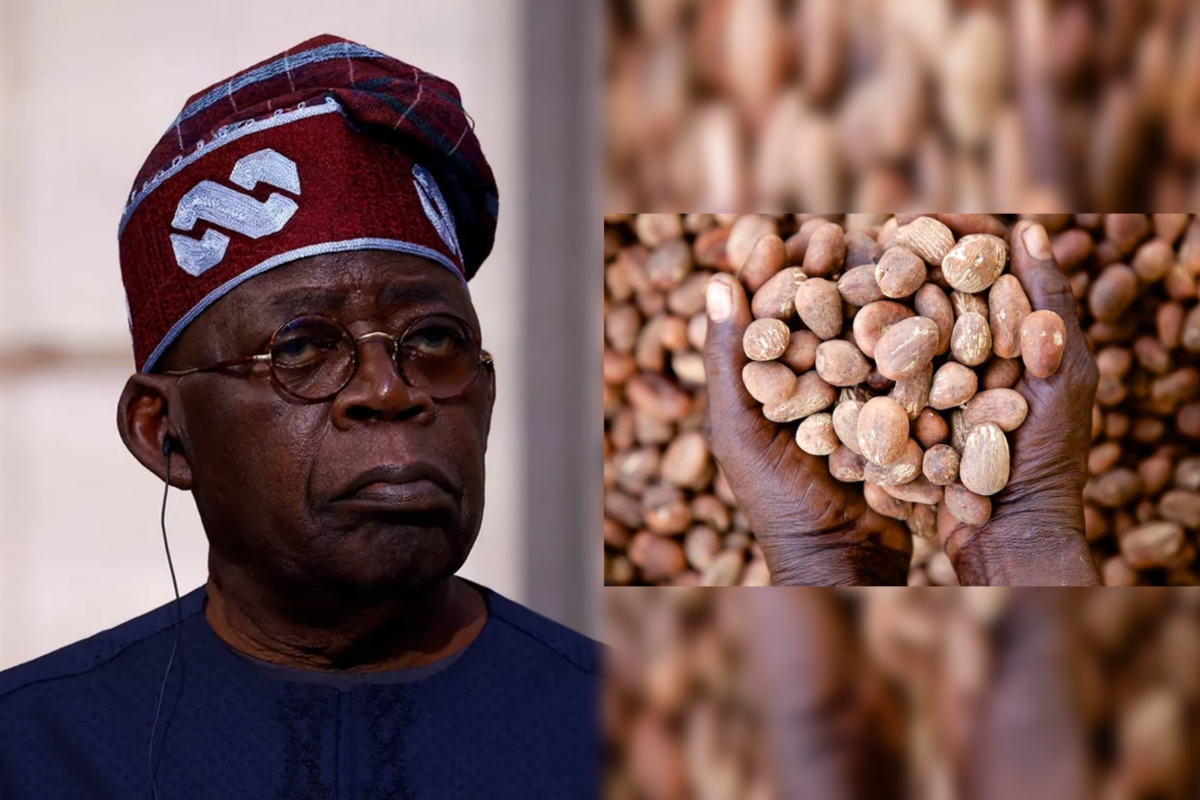
President Bola Ahmed Tinubu has approved a one-year extension of the ban on the export of raw shea nuts, keeping the restriction in place from February 26, 2026, to February 25, 2027. The move reflects the administration’s focus on industrial development, domestic value addition, and the objectives of the Renewed Hope Agenda.
The ban aims to deepen Nigeria’s shea processing capacity, enhance livelihoods in shea-producing communities, and strengthen the country’s export of value-added products. By restricting raw exports, the government seeks to encourage local conversion into shea butter, a product widely used in cosmetics and edible oil and valued between 10 to 20 times more than the raw nuts.
President Tinubu has mandated the Federal Ministry of Industry, Trade and Investment and the Presidential Food Security Coordination Unit (PFSCU) to coordinate the implementation of a unified national framework for the shea nut value chain. The framework is evidence-based and aligns industrialisation, trade, and investment priorities across production, processing, and export activities.
READ ALSO: Ray Amodi Leaves Nollywood to Chase Music Career
The President also approved the adoption of an export framework established by the Nigerian Commodity Exchange (NCX) and withdrew all existing waivers allowing direct exports of raw shea nuts. Under the new guidelines, any excess supply must be exported exclusively through the NCX framework.
In addition, the Federal Ministry of Finance has been directed to provide access to a dedicated NESS Support Window to enable the Ministry of Industry, Trade and Investment to pilot a Livelihood Finance Mechanism, designed to strengthen production and processing capabilities in shea-producing regions.
Shea nuts, harvested from trees in Nigeria’s savanna belt, are rich in oil and serve as the primary raw material for shea butter. The butter is renowned for its moisturizing, anti-inflammatory, and antioxidant properties, making it a key ingredient in skin and hair cosmetics, as well as cooking oil.
The Federal Government said the policy underscores its commitment to inclusive economic growth, local manufacturing, and positioning Nigeria as a competitive player in global agricultural value chains. Officials emphasised that boosting local processing will increase income for farmers, create jobs, and elevate Nigeria’s standing in international markets for value-added agricultural products.