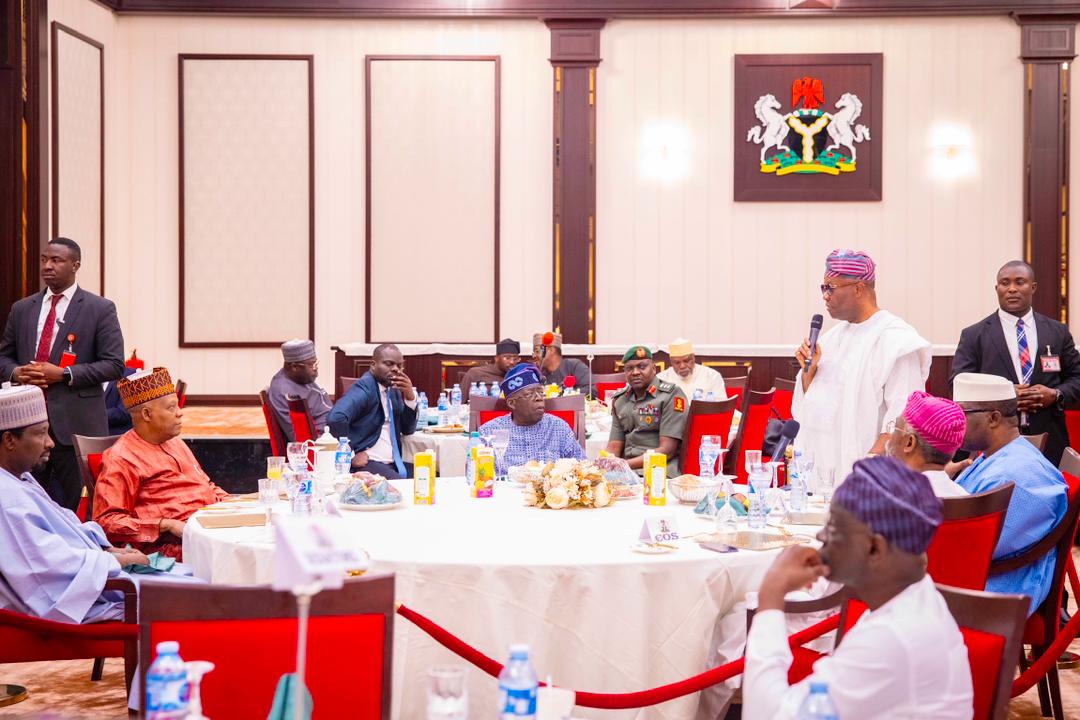

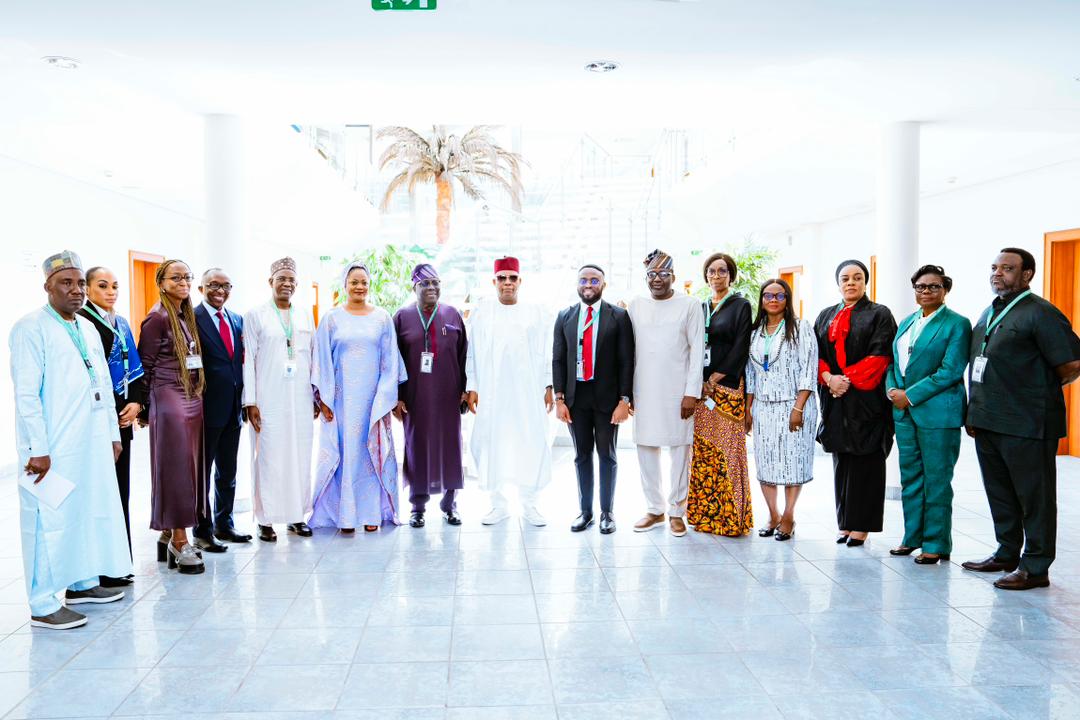
The Federal Government has intensified efforts to democratise access to consumer credit with the inauguration of the Board of the Nigerian Consumer Credit Corporation (CREDICORP), as Vice President Kashim Shettima declared that affordable credit is central to Nigeria’s economic transformation agenda.
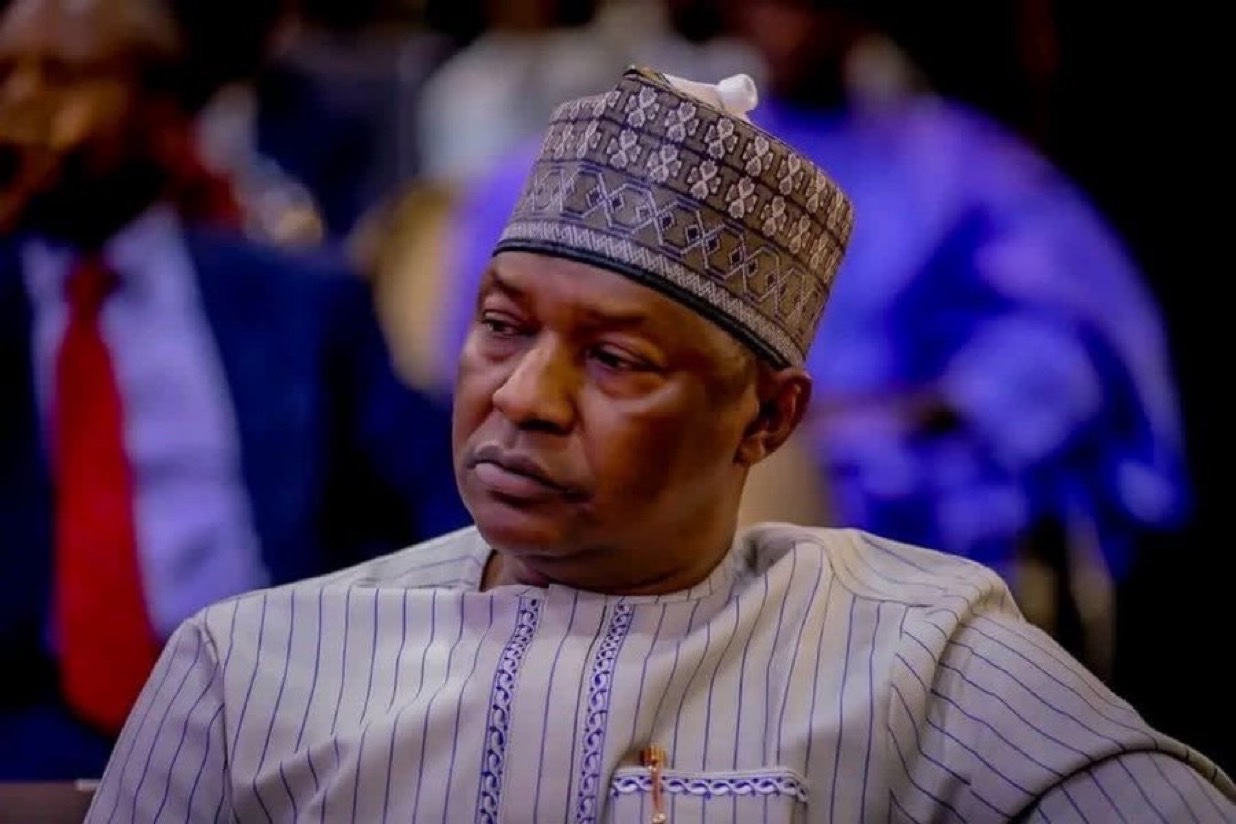
Speaking on Thursday in Abuja while inaugurating the board on behalf of President Bola Ahmed Tinubu, the Vice President said consumer credit would play a decisive role in Nigeria’s ambition to build a one-trillion-dollar economy. He stressed that improving citizens’ quality of life requires closing what he described as the “gap between access to capital and human dignity.”
“A civil servant who earns honestly does not have to chase sudden wealth just to buy a vehicle, or save for ten years to buy one. A young professional should not remain in darkness simply because solar power must be paid for all at once,” Shettima said.
READ ALSO: Ray Amodi Leaves Nollywood to Chase Music Career
He explained that CREDICORP was established by the Tinubu administration to build a trusted national credit infrastructure, deploy catalytic capital to reduce borrowing costs, and address long-standing cultural resistance to credit. According to him, the institution’s mandate is to bridge the trust gap between lenders and borrowers through wholesale funding, credit guarantees, and risk-sharing mechanisms.
Highlighting early performance indicators, Shettima disclosed that within one year of operations, CREDICORP has disbursed over ₦37 billion in consumer credit to more than 200,000 Nigerians. He noted that more than half of the beneficiaries accessed formal credit for the first time, describing the milestone as evidence of growing financial inclusion.
“Ultimately, these critical jobs of CREDICORP will enable access to consumer credit to at least 50 per cent of working Nigerians by 2030,” the Vice President stated.
Shettima told board members that their responsibilities were “not ceremonial,” emphasising that the long-term credibility and sustainability of the institution would depend on their vigilance, integrity, and commitment. He directed them to strictly uphold Public Service Rules, the Board Charter, and established governance frameworks, warning that accountability and prudent stewardship of public resources were non-negotiable.
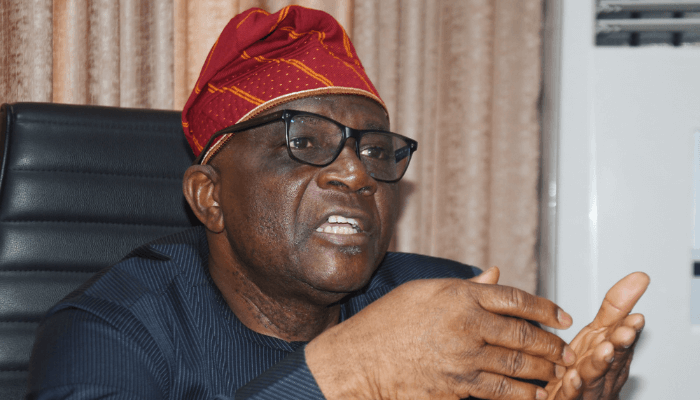
Earlier, CREDICORP Chairman, Otunba Aderemi Abdul, thanked the President for what he called a bold vision behind the corporation’s creation. He said the board recognised the weight of its assignment and pledged to guide the institution in delivering measurable benefits to Nigerians.
Managing Director/Chief Executive Officer, Engr. Uzoma Nwagba, said the corporation’s progress over the last 18 months reflects a long-standing policy conviction that consumer credit can significantly improve living standards. He said the institution has supported over 200,000 Nigerians, including students, through structured credit facilities designed to enhance productivity and household welfare.
Nwagba assured stakeholders that the management team would not take the presidential vision for granted, describing their appointments as a rare opportunity to reshape Nigeria’s credit landscape.
The board inaugurated includes Olanike Kolawole, Executive Director, Operations; Aisha Abdullahi, Executive Director, Credit and Portfolio Management; Dr. Armstrong Ume-Takang, Managing Director of the Ministry of Finance Incorporated (MoFI), representing MoFI; Engr. Bisoye Coke-Odusote, Director-General of the National Identity Management Commission (NIMC), representing NIMC; and Mohammed Naziru Abbas, representing the Federal Ministry of Industry, Trade and Investment (FMITI).
Other members are Marvin Nadah, representing the Federal Competition and Consumer Protection Commission (FCCPC); Chinonyelum Ndidi, representing the Federal Ministry of Finance; Mohammed Abbas Jega, Independent Director; and Toyin Adeniji, Independent Director.
With the board now in place, the Federal Government signalled its determination to scale consumer credit as a tool for economic mobility, financial inclusion, and sustainable growth.